Cocktail Workshop:
Instructional Design Meets Social Learning
Why This Project?
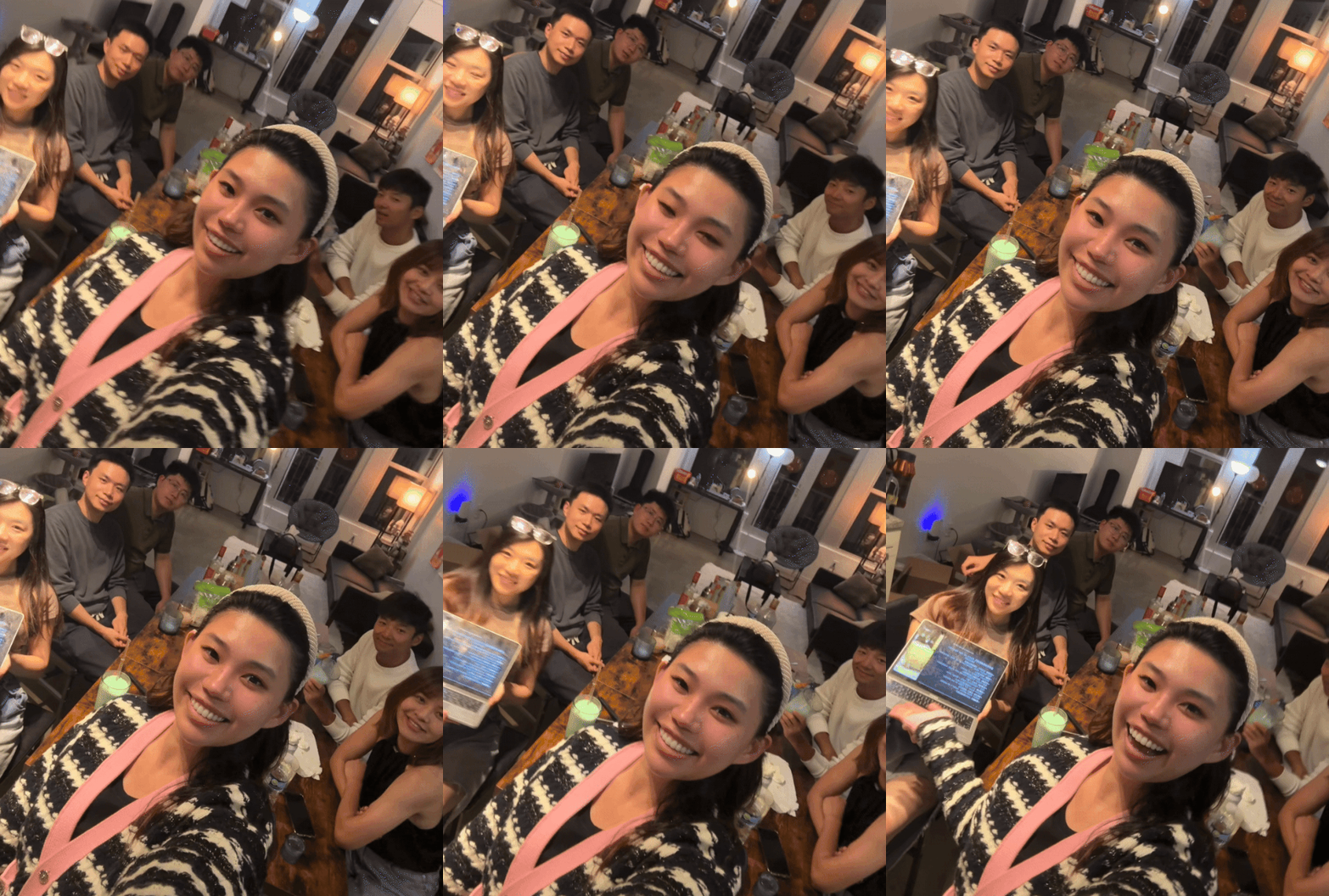
I love hosting gatherings, but I wanted them to be more than just "hanging out"—I wanted them to be interesting, memorable, and meaningful. As an instructional designer, I saw an opportunity: why not apply learning design principles to the activities I enjoy and can freely shape?
This workshop became my playground for answering: How can instructional design transform a casual friends' gathering into an engaging learning experience? Unlike my professional work with fixed constraints, here I had complete creative control—choosing the topic (cocktails), the audience (friends), and the approach (experiential + social).
The result: a series of structured 2-hour workshops that balance knowledge, skill-building, and creative expression, proving that good instructional design can elevate any social experience.
Audience: Friends and social learners (6 participants each session)
Responsibilities: Instructional Design, Workshop Facilitation, Experience Designer, Visual Design
Tools Used: Mentimeter, Wayground, Canva, Claude, ChatGPT
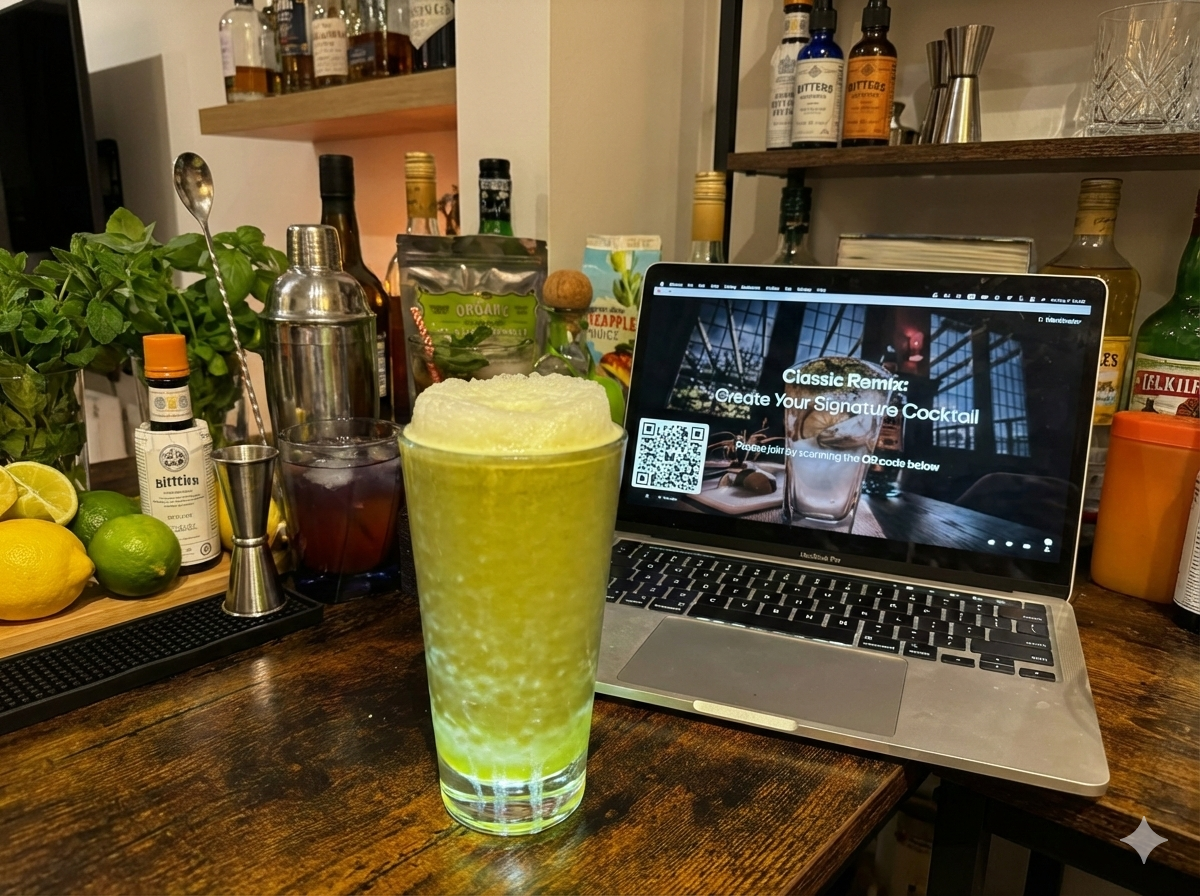
Workshops Overview
I designed three cocktail workshops, evolving from basic skill-building to creative mastery:
• Workshops 1–2: Focused on foundational knowledge (recognizing spirits, memorizing recipes, applying techniques). I also designed posters and cocktail menus for these sessions.
• Workshop 3: Advanced into creative synthesis (designing personalized cocktails and telling stories through flavor).
Goal: Move participants from consuming knowledge to creating original work.
This page highlights Workshop 3, while slides for the other sessions are available through the links below.
Workshop Flow:
10 minutes: Ice-breaking and setup
90 minutes: Interactive quiz + skill-building
40 minutes: Personalized creation + presentation
Core Innovation:
Every learning moment immediately connects to practice.
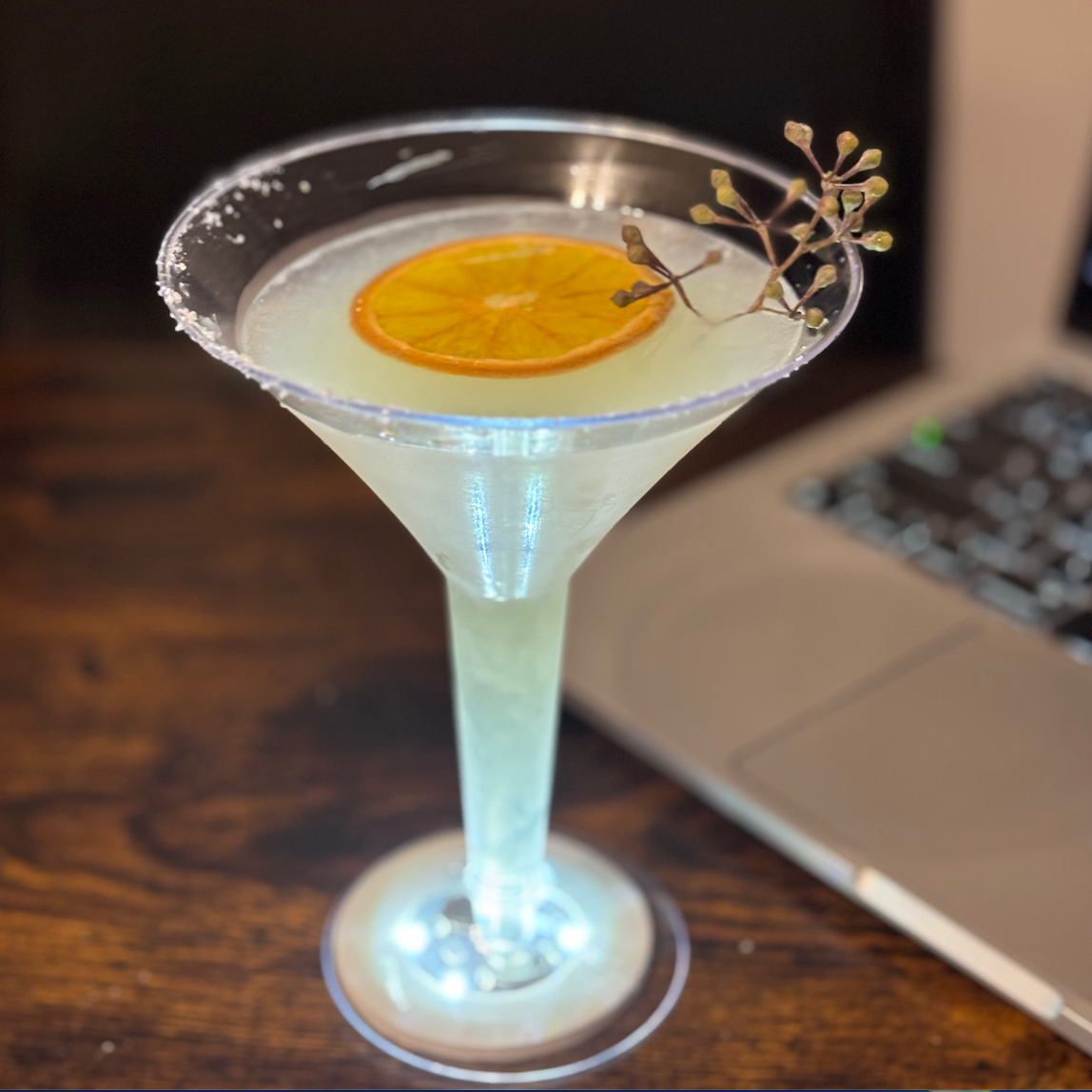
Answer quiz questions → Listen to demonstration → Make the cocktail → Taste and compare → Move to next concept.
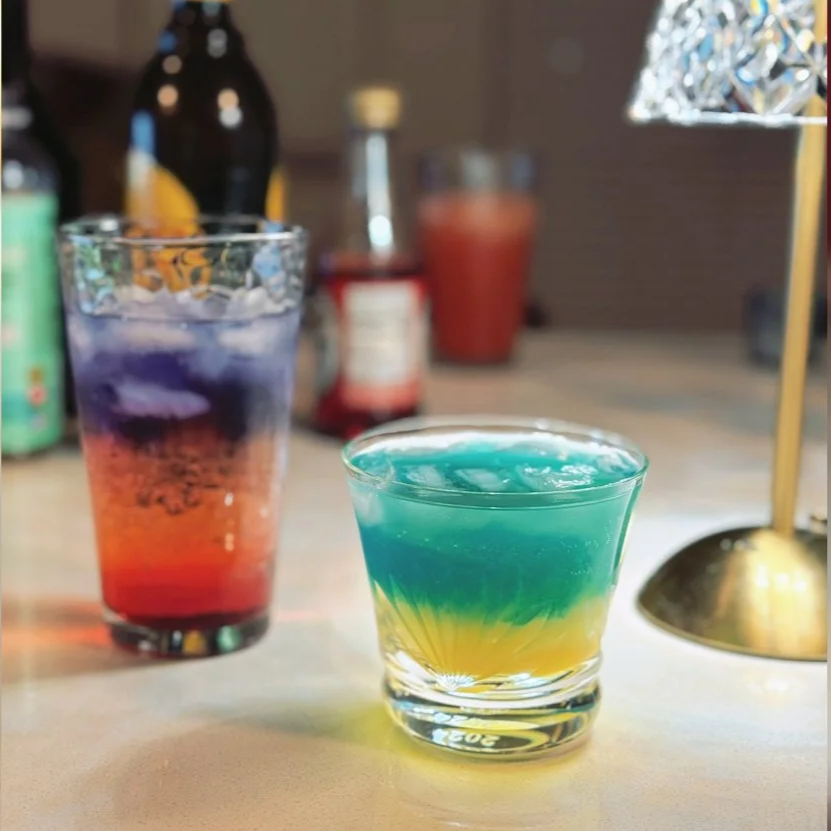

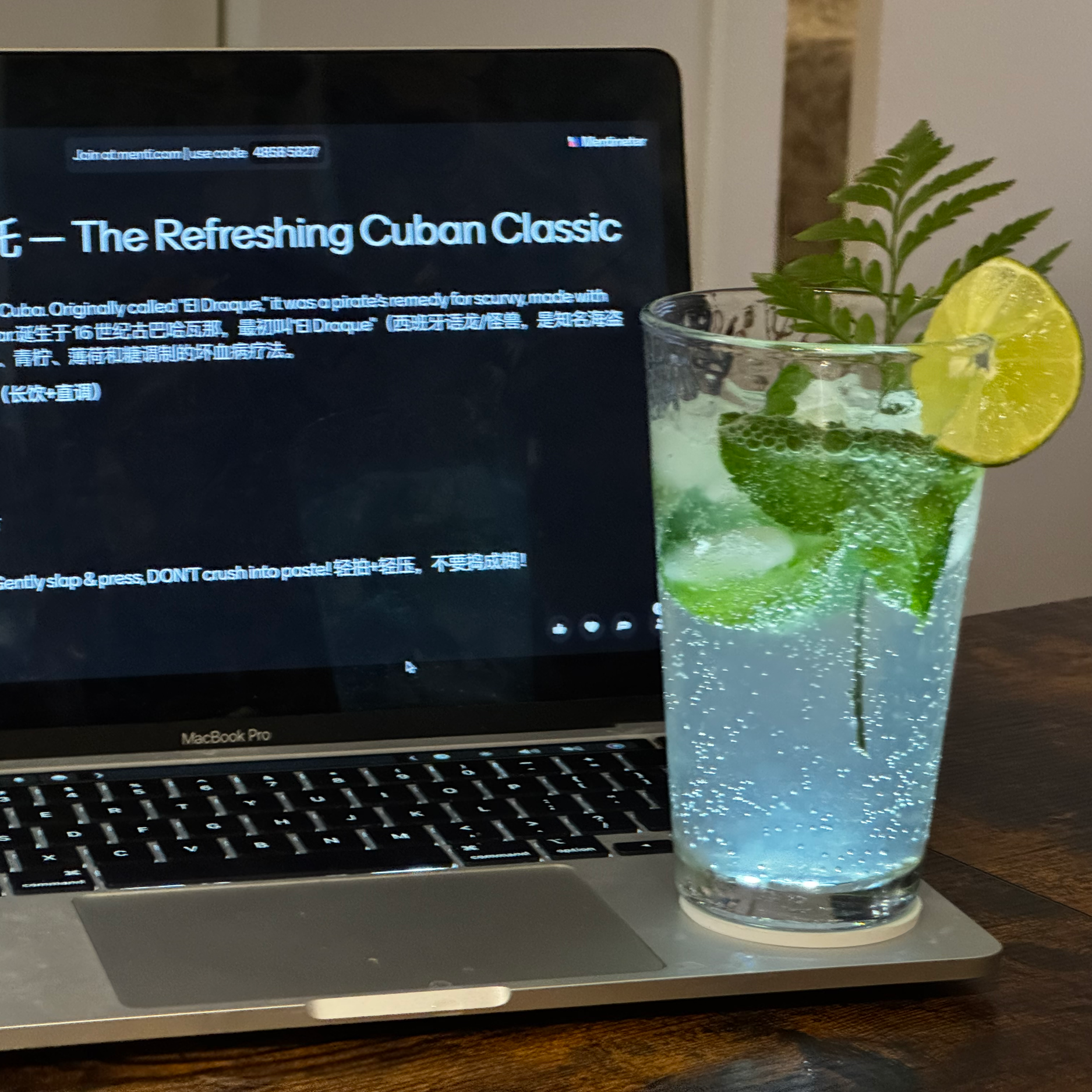
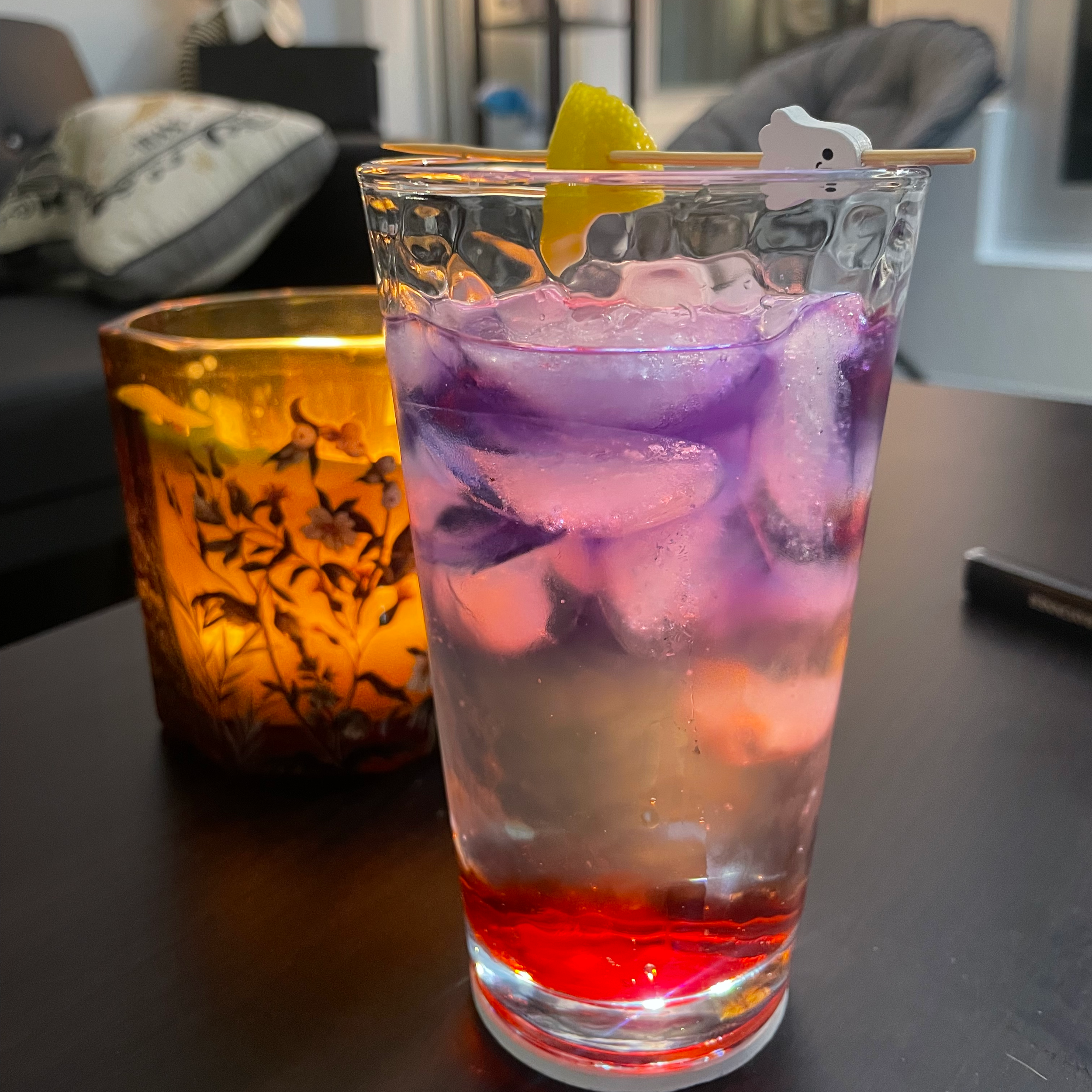

My Process
1. Define the learning progression
The workshop advances participants from foundational skills to creative mastery:
Foundation Phase (90 minutes): Learn classic cocktails through quiz, demonstration, and hands-on practice
Creation Phase (40 minutes): Design personalized cocktails with storytelling
Key Decision: Spending most of the time mastering fundamentals before creative freedom ensures participants have sufficient knowledge to innovate successfully.
2. Design the interactive experience
Tool Selection:
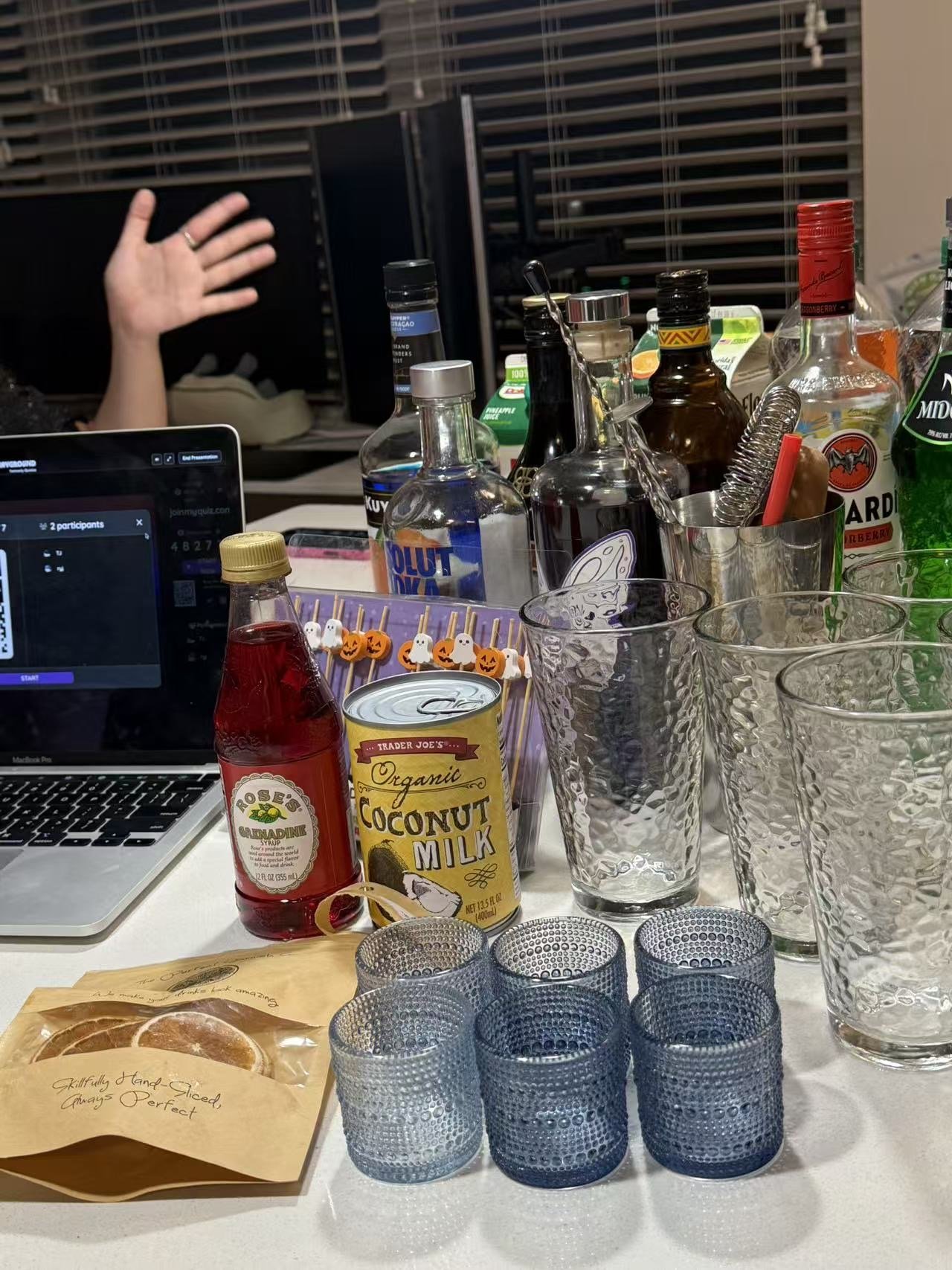
Mentimeter for Gamified Assessment
Created 10+ multiple-choice questions covering:
Base spirits and flavor profiles
Classic recipes (Mojito, Daiquiri, Margarita)
Mixing techniques
Personalization principles
Why This Works:
Real-time leaderboard creates healthy competition
Instant feedback after each question
Assessment feels like participation, not testing
Learning Cycle Structure:
Quiz question (1 min)
Explanation with demonstration (3 min)
Hands-on practice (5 min)
Group tasting and feedback (1 min)
3. Develop unique pedagogical strategies
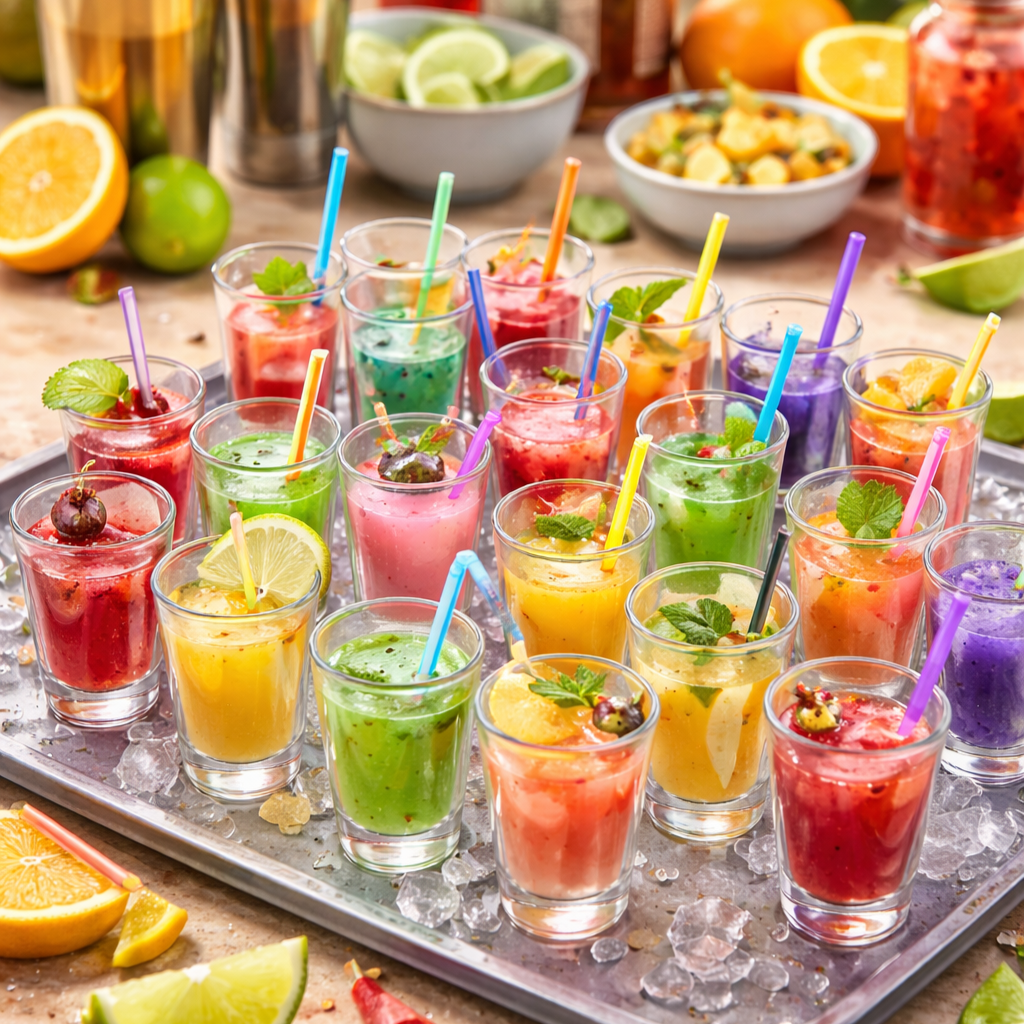
Innovation #1: Shot Glass Pedagogy
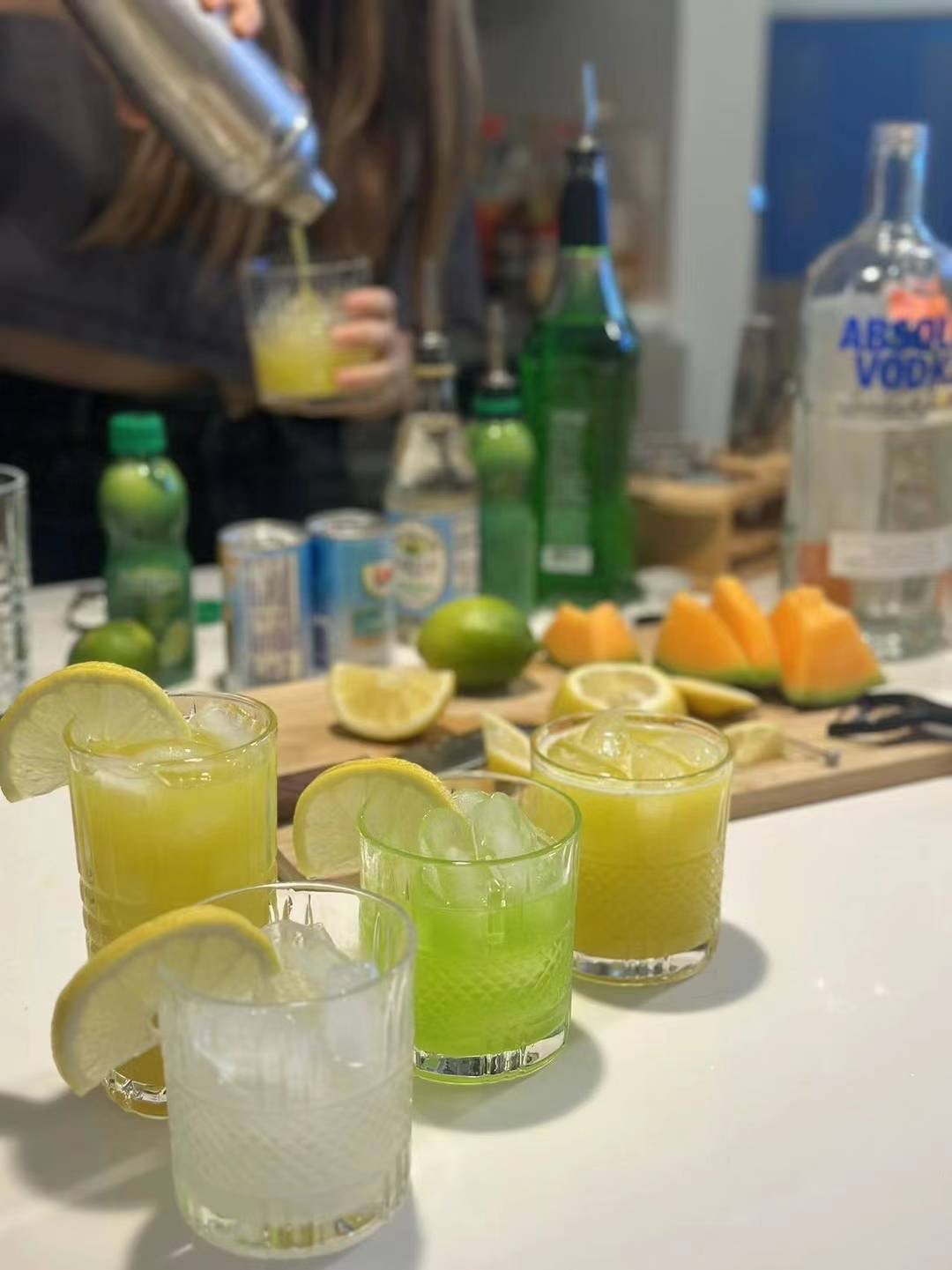
Instead of full-sized cocktails, provided abundant shot glasses and straws for continuous sampling.
Benefits:
Rapid iteration: Make → taste → adjust → remake multiple times
Low commitment: "Just try a sip" reduces performance anxiety
Safety: 10+ tasting opportunities without overconsumption
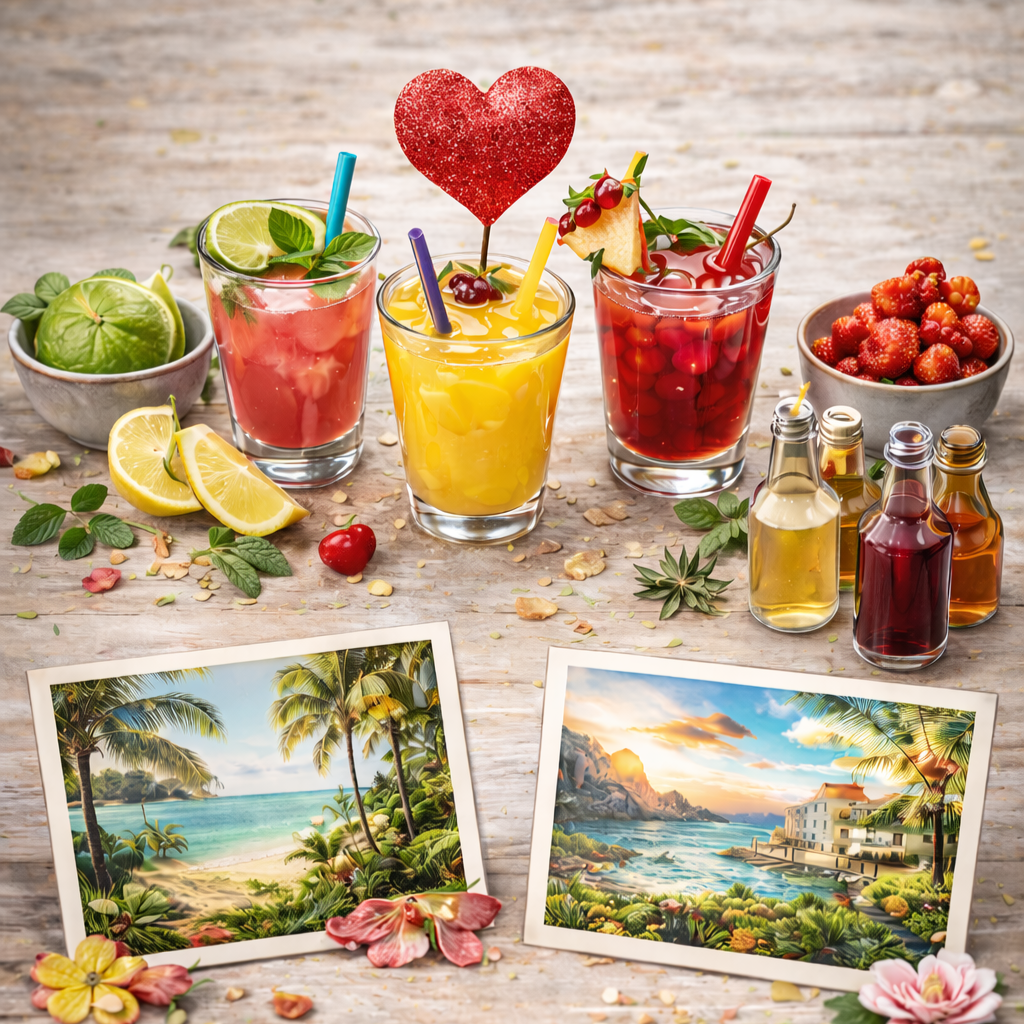
Innovation #2: The "Story-Ingredient" Bridge
The Challenge: How to make personalization meaningful rather than random experimentation?
The Solution: Required participants to select ingredients based on narrative framework—one place and one mood that matter personally.
Benefits:
Emotional investment creates deep engagement
Memory anchoring: Flavors linked to autobiographical memories enhance retention
4. Build scaffolded support structure
Phase 1 - High Support (Minutes 0-90):
Guided instruction with step-by-step recipes
Everyone makes identical classics
Shot glass tasting allows low-stakes experimentation
Phase 2 - Reduced Support (Minutes 90-110):
Participants choose base cocktail and add personal ingredients
Instructor offers just-in-time support
Peer collaboration encouraged
Phase 3 - Independent Performance (Minutes 110-130):
Participants present their cocktails and explain design choices
Reflections and Takeaways
What I'd Do Differently:
Focus on Dialogue Over Troubleshooting
During the personalization phase, I spent time troubleshooting techniques and missed opportunities to deeply engage with participants' stories. Next time, I'll prioritize listening to their narratives and asking deeper questions about the meaning behind their ingredient choices.
Reduce Instructor Preparation Load
The current format requires heavy instructor preparation. Next iteration could use the Jigsaw Method: provide reading materials to each participant, have them design 2-3 questions with explanations, then play a Jeopardy-style game based on their collective questions. This distributes preparation work while maintaining engagement and peer learning.